No business-owner wants to hear that it’s time to replace a walk in refrigerator or freezer These investment appliances are essential to many businesses but aren’t the cheapest item to purchase. Old and inefficient walk-in coolers end up spending a lot of money over time due to costly repairs, lost stock, and high utility bills. Replacing your run down walk-in will help lower these costs and you can save in the long run.
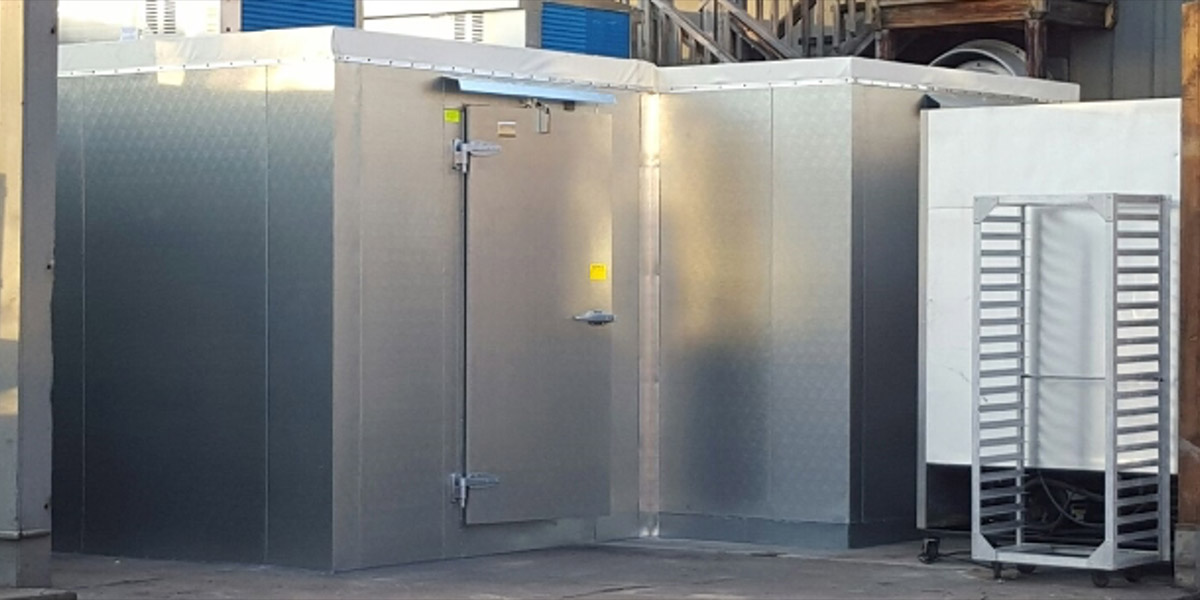
Here are five signs that it may be time to start shopping for a new walk-in cooler:
1. HIGHER UTILITY BILLS
If you notice that your utility bills have steadily increased over time it could mean the ability of your insulation is diminishing and is allowing heat to seep in, or cold air to escape out. Your cooler slowly works to attempt to fix this insulation problem by using extra energy. If you notice a dramatic hike in your utility bill from the previous months you may be dealing with a broken thermostat or motor that is causing the cooler to use a lot more energy than necessary since it can’t properly regulate itself.
2. ICE OR FROST BUILD UP
If you find that you are regularly scraping ice out of your cooler or that you are losing items to frost bite there may be excess moisture allowing the ice to accumulate. Excess moisture is often caused by air leaks between panels or other cooler components.
3. REGULAR LEAKS
Damaged seals can lead to water leaks and puddles. Stagnant and standing water can cause mold and mildew build up as well as ice accumulation. Avoid health inspection problems as well as lost inventory due to mold and mildew by keeping track of any leaks.
4. FLUCTUATING TEMPERATURES
If your walk-in cooler is always working to regulate its temperature it may be time to replace your unit. As stated above, temperature fluctuate can be the symptom of many cooler problems such as, but not limited to, insulation failure or a broken thermostat.
5. FOOD SPOILING BEFORE ITS EXPIRATION
If you regularly experience many perishable items spoiling before their expiration this is a sure sign of an operating problem within your cooler. Throwing away inventory that should not have gone bad is certainly frustrating but it may point to a larger storage problem that needs to be evaluated.
If you experience any of the signs above, we advise that you have a commercial refrigeration technician check your walk-in refrigerator or freezer for any damage or internal failures. If your repairs are beginning to burn a hole through your pocket you may want to consider replacing your unit with a new walk in cooler/freezer.
 When you have a commercial refrigeration unit installed, you typically focus on things like the interior capacity, overall size to ensure it fits in your store, restaurant, or supermarket, as well as the efficiency of the unit and how much it costs to operate. However, one thing that you really need to consider is how to keep your unit safely operating.