Commercial Refrigeration Walk-In Scheduled Maintenance
Most commercial refrigeration walk-ins seem indestructible, but you can extend their life by following the manufacturer’s safety tips and maintenance schedule. Walk-in coolers and freezers are made for storing larger quantities of food. If there is lots of in and out traffic in your commercial refrigeration walk-in then there are important maintenance procedures to follow.
Some Maintenance Tricks for Commercial Refrigeration
The door gaskets are usually made of rubber. So they can break down quicker and easier if they are not cleaned regularly and get caked with food or grease. This leads to leaks in the door seals which will result in the operating efficiency of your commercial refrigeration walk-in being reduced and your energy costs going up. Door seals can be easily cleaned to extend their life with baking soda and warm water. It’s suggested that you don’t use harsh chemical cleansers as this will dry out the rubber.
 Door hinges for your commercial refrigeration walk-in can be rubbed with petroleum jelly to make sure they continue to work well. If these develop a build-up of grease or grime, then their operation will not remain smooth. This means they will begin to stick resulting in your doors not closing automatically and the cold air escaping. Again this will result in lower efficiency for your commercial refrigeration walk-in and higher energy costs.
Dirty coils on the refrigeration unit will also make the commercial refrigeration walk-in run less efficiently as the transfer of heat through the coils doesn’t occur as effectively as for clean coils. This makes the compressor work overtime to maintain the desired temperature of your perishable food items which means the service life of the compressor motor will be reduced. By frequently cleaning the dust and grime off of your commercial refrigeration coils you’ll reduce the time your compressor needs to run and thereby help your commercial refrigeration run more efficiently.
Cleanliness in Your Commercial Refrigeration Unit is Important
The floors of your commercial refrigeration walk-in should also be kept clean. This is for safety reasons as well as for health concerns. If there is lots of foot traffic in and out of the unit, food and other stored items can get dropped. If they are not cleaned out regularly they can build up causing trip hazards as well as slippery floors. Not only that, they could begin to rot and develop a bacteria issue. Walk-in floors should be damp-mopped, but never hosed out. Excessive water can get into the seals between the floor panels and damage the insulation. Without proper insulation, your commercial refrigeration will not run as efficiently as it could.
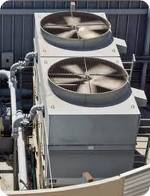 During your next scheduled industrial air conditioning service, you might want to consider requesting an energy audit as well. While you may spend money on commercial HVAC services on a regular basis to ensure your commercial HVAC system is operating properly and not burning energy inefficiently it is important to also know how well your building is holding the heat that your commercial HVAC system is producing. If your building is not holding the hot or cold air your commercial HVAC system is producing, then you’re throwing away money through the leaks. If the service technician tells you your HVAC system seems to be doing well each time you have an industrial air conditioning service inspection but your energy bills seem too high, then energy leaks might be the main culprit.
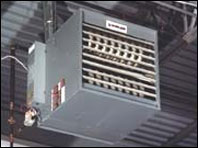 Infrared cameras and infrared thermographs can also be used to detect energy leaks. These will show the temperature differences in various areas of a building. By pointing out where the hot and cold spots are, you can then determine where your energy from your commercial HVAC system is leaking. Again, the auditor should use these tools before and after the building is weatherized to ensure that the leakage problems have been fixed.