A Critical Piece Of Restaurant Equipment
As restaurant equipment goes, the walk in fridge is probably the most critical piece of equipment needed. For storage of perishable 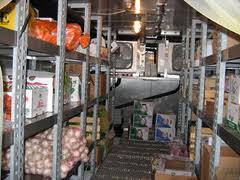 items that create profit for restaurants the walk in fridge is unbeatable. When this piece of equipment goes down, either due to improper commercial refrigeration service or power outage, the potential for loss to the restaurant is significant. When considering filling your establishment with restaurant equipment the decision an owner makes on the walk in fridge could be the most important one.
Types of Walk In Fridge
When laying out your floor plan with the various types of equipment, the type and size of walk in fridge you choose will be very important. You can choose a custom-built walk in fridge, but this will cost more money and may lead to your budget being exceeded. A better option for your needs might be a stand-alone, prefabricated walk in fridge. Most prefabricated equipment is naturally going to be less costly as they are produced in volume by the walk in fridge manufacturer.
The Size of Your Walk In Fridge
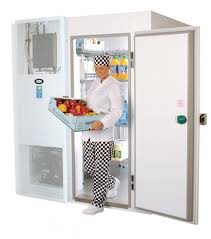 The size of your walk in fridge unit is going to be a a very important choice too. Naturally there are a variety of sizes and configurations for a walk in fridge. In fact, there is probably more options for this piece of equipment than any other. Most experts agree that if your cold storage requirements exceed 80 cubic feet, or if you serve more than 250 meals per day, then you are going to need to add a walk in fridge to your list of required equipment. The type of food you serve in your eating establishment will also impact your choice of a walk in fridge.
If you’ve decided that a walk in fridge is necessary, then a good rule of thumb for picking out this piece of equipment is to plan 1 to 1.5 cubic feet of storage space for each meal you serve on any given day. Adding shelves to your walk in fridge will help you use the space economically, but make sure the shelves don’t go too high as this could create dangerous situations for your restaurant employees.
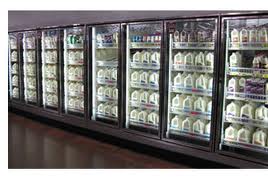
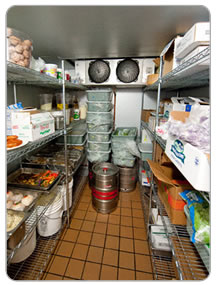 Being a restauranteur or retail grocer, you probably understand how important commercial refrigeration is to your business. Commercial refrigeration equipment would include any free standing or built-in unit(s) that provide cold storage for your company’s perishable goods. Commercial refrigeration includes both refrigerators and freezers which are available in a wide variety of configurations including walk-ins, reach-ins, and commercial refrigeration display cases.
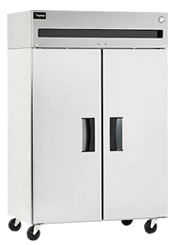 Properly maintained commercial refrigeration equipment provides peace of mind to restaurant owners and retail grocers. Quite a bit of your working capital is invested in the perishable goods that regular commercial refrigeration service helps keep at the proper temperature. When you rely on emergency commercial refrigeration service, then you are playing a risky game of chance which could cost you thousands.
 Often times when the weather turns cold we start to think that our commercial refrigeration system is in some sort of “frigid hibernation” and won’t need to be looked at again until the weather turns warm next summer.
 The Stationary Equipment Refrigerant Management Program covers all non-residential, fixed commercial refrigeration equipment and requires the reduction of refrigerant emissions from commercial refrigeration with high global warming potential. In other words, AB-32 limits the use of chlorofluorocarbons, hydrochlorofluorocarbons, perfluorocarbons and hydrofluorocarbons. While these substances were already regulated by the Environmental Protection Agency (EPA) through the US Clean Air Act, the Refrigerant Management Program as it relates to commercial refrigeration expands their control within the state of California.