Commercial HVAC Cost Control
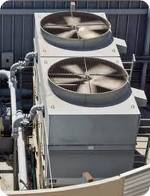 During your next scheduled industrial air conditioning service, you might want to consider requesting an energy audit as well. While you may spend money on commercial HVAC services on a regular basis to ensure your commercial HVAC system is operating properly and not burning energy inefficiently it is important to also know how well your building is holding the heat that your commercial HVAC system is producing. If your building is not holding the hot or cold air your commercial HVAC system is producing, then you’re throwing away money through the leaks. If the service technician tells you your HVAC system seems to be doing well each time you have an industrial air conditioning service inspection but your energy bills seem too high, then energy leaks might be the main culprit.
Energy Leaks in a Commercial HVAC System
Even though energy leaks are usually discussed regarding loss of heat during the winter months, they can also negatively affect the indoor air temperature during the hot summer months. A building energy audit will determine whether or not you structure is properly insulated and can be one of the most important commercial HVAC services you invest in. A proper energy audit can detect exactly where in your building is lacking insulation and sealing. They can also show you how to save money on hot water and electric bills. Maintaining the temperature within a building which has not been properly weatherized is like trying to regulate the temperature in a room with an open window. To achieve a comfortable temperature, you have to spend a considerable amount more on commercial HVAC costs than if the window was closed.
Weatherizing a building is inexpensive when you take into consideration how much money you’ll be saving over time in heating and air conditioning. To determine what your building’s specific weatherization needs are, an energy auditor will use a blower to determine how much air can get out through a door and how tightly sealed the building is. Using a calibrated blower can tell you exactly how much air is getting out through the cracks. After the building is weatherized the auditor will retest the building to ensure the efficiency issues have been resolved. A reduction in your commercial HVAC bill will also tell you things have improved.
Ways To Detect Leaks In Your Commercial HVAC System
 Infrared cameras and infrared thermographs can also be used to detect energy leaks. These will show the temperature differences in various areas of a building. By pointing out where the hot and cold spots are, you can then determine where your energy from your commercial HVAC system is leaking. Again, the auditor should use these tools before and after the building is weatherized to ensure that the leakage problems have been fixed.
All buildings have energy losses. In homes, this is usually in attics and chimneys. Basements can also be sources of lost energy through joists and other structural joints. To reduce energy losses from your commercial HVAC system be sure to keep windows and doors closed when the system is running. The efficiency of the boiler and chiller can also help you cut energy losses and costs. Using an auditor can help you determine how to reduce big energy losses as well as small energy losses. So even minor fixes like gaskets behind outlets will have a positive impact on your energy costs and will help your commercial HVAC system run as efficiently as possible.
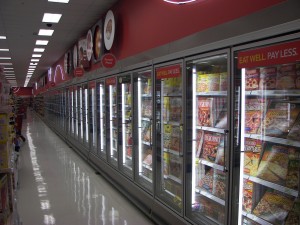 Counter top display units are great for getting customers to make impulse purchases. They are most effective when placed at checkouts and pay points. So when people are lining up to pay, they are enticed to make a last minute purchase by the food items on display in the commercial display refrigerator or freezer. This is a proven fact and is a method employed by all major food retailers. By placing a counter top display refrigerator or freezer in this location, you are improving the chances of a sale being made. By placing high impulse goods such as ice cream and other treats inside the display unit, you are even further increasing the likelihood of a sale being made.
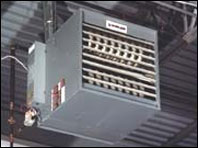
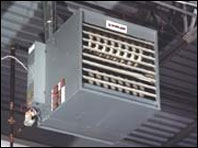 The word HVAC stands for heating, ventilation, and air conditioning. An industrial HVAC system for a building can have different combinations of heating and cooling devices. These systems can include a boiler, furnace, heat pump, rooftop unit, or electric heat. Common industrial cooling systems include rooftop units, heat pumps, chillers, and basic air conditioning units.
 Whenever most of us think about refrigeration all we know about is the refrigerator we have in our home. We usually don’t consider the fact that the restaurants and grocery stores we patronize use commercial refrigeration to keep the food we buy from them preserved and fresh with commercial refrigeration. Commercial refrigeration differs from the cooling appliances we have in our homes mostly by size. There are other differences in commercial refrigeration such as the method by which the air is cooled. The choice for the restaurant owner or grocery store owner as to which type and size of commercial refrigeration they choose come down to the needs of their business.